
Jan 21, 2025
Wikipedia: "In the Bleak Midwinter" is a poem by the English poet Christina Rossetti. It was published under the title "A Christmas Carol" in the January 1872 issue of Scribner's Monthly,[1][2] and first collected in book form in Goblin Market, The Prince's Progress and Other Poems (Macmillan, 1875).
It has been set to music several times. Two settings, those
by Gustav
Holst and by Harold Darke, are
popular and often sung as Christmas
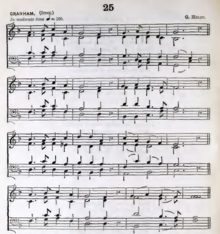
carols. Holst's is a hymn tune called Cranham, published in
1906 in The English
Hymnal and simple enough to be sung by a
congregation.[3] Darke's
is an anthem composed in
1909 and intended for a trained choir; it was named the best
Christmas carol in a 2008 poll of leading choirmasters and
choral experts.[4]
Today's podcast features a set of snow and winter poems by
famous and less known poets and writers. Links have been
provided for you to learn more about the writers.
In verse one, Rossetti describes the physical circumstances of
the Nativity of
Jesus in Bethlehem. In verse
two, Rossetti contrasts Christ's first
and second
coming.
The third verse dwells on Christ's birth and describes the simple surroundings, in a humble stable and watched by beasts of burden. Rossetti achieves another contrast in the fourth verse, this time between the incorporeal angels attendant at Christ's birth with Mary's ability to render Jesus physical affection. The final verse shifts the description to a more introspective thought process.
Literary critics have questioned a number of aspects of Rossetti's poem. Professor of Historical Theology, John Mulder, with his coauthor and fellow Presbyterian minister, F. Morgan Roberts, have noted that the reference to winter weather in the title and first verse is incongruous with its geographical setting in the hot climate of Judea. They note that, "Although not unheard of, snow in Palestine is rare", and that Rossetti was writing at a time when popular literary works such as Charles Dickens' A Christmas Carol (1843) had established the strong association of snow with Christmas in the English mind.[5] Musicologist C. Michael Hawn, however, asserts that Rossetti is not implying that snow literally fell in Palestine, but that the wintry conditions described are a metaphor for a "harsh spiritual landscape" experienced at the time of Christ's birth, referring to the political oppression of Jews during the Roman occupation of Palestine.[6]
Robert Frost wrote several poems
about snow, including "Stopping by Woods
on a Snowy Evening", Fire and Ice and "Dust of Snow".
Henry Wadsworth Longfellow poem Snow-Flakes: As the elegiac poem
develops across its three verses, the powerful imagery becomes a
metaphor for the insurmountable grief caused by the death by fire
of the poet’s beloved wife.
Lyndsey Kuster: a Wintry
Night
Alexander Pushkin - Winter Morning Winter
Morning
Jule Styne - Let it Snow
The oboe music for the Mind the Muse podcast was performed and
improvised by Martha Pineno. Original compositions are
available from www.creativecoachingcompany.com/shop/
Remember to follow, rate and review.
Invite your friends to listen and be fans and join our FB
group: www.facebook.com/groups/connectwithcreativity
Increase your Creativity FREE download
https://us-ms.gr-cdn.com/getresponse-BOYoR/documents/d2e0af24-f981-4b04-aa09-2f90549a9dec.pdf Award-winning,
multi-talented artist, musician, entrepreneur, Martha Pineno blends
a background in education through innovation, exceptional
communication skills, and the ability to inspire with
“out-of-the-box” strategies so participants accomplish their
highest potential.
Marti helps you re-think, re-word your true-life story, draw and paint in peace, so you can sing a song of success to launch your own life legacy.
Remember to follow, rate and review Mind the Muse podcast.
Donations:
https://www.paypal.com/paypalme/mindthemusepodcast